BSc.N Post-RN | Biochemistry

Biochemistry is a vital scientific field that examines the chemical processes and substances within living organisms. By integrating biology and chemistry, it focuses on key biomolecules such as proteins, carbohydrates, lipids (fats), nucleic acids (DNA and RNA), and enzymes, which are crucial for driving biochemical reactions and maintaining life.

Ions & electrolytes

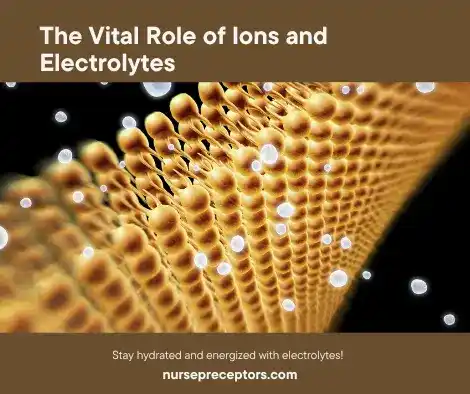
The Importance of Ions and Electrolytes in the Body •

BSc.N Post-RN | Biochemistry

When it comes to understanding the complex mechanisms that keep our bodies functioning optimally, ions and electrolytes often don’t get the attention they deserve. Yet, they play crucial roles in everything from maintaining fluid balance to powering the electrical impulses that drive our heartbeats. In this comprehensive article, our online trusted website, Nurse Preceptors, explores

featured image of Elements-Mixtures-and-Compounds

Understanding the Basics: Elements-Mixtures-Compounds

BSc.N Post-RN | Biochemistry

The field of chemistry seeks to comprehend the properties and interactions of matter. All substances in our surroundings can be categorized as elements, mixtures, or compounds. These categories form the cornerstone of chemical science, influencing everything from the properties of substances to how they interact with each other. This comprehensive guide will explore the characteristics,

The Basic Concepts of Matter - Nurse Preceptors

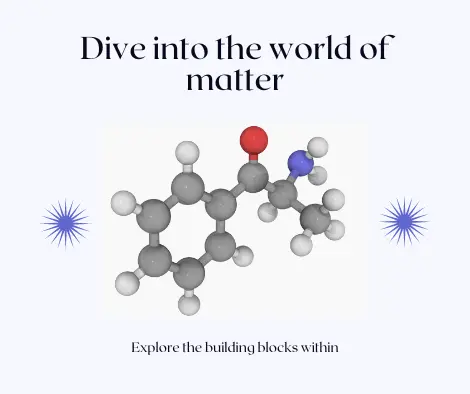
Understanding the Basic Concepts of Matter and Its Structure

BSc.N Post-RN | Biochemistry

Matter constitutes the fundamental substance that comprises all entities within our immediate environment. From the smallest particle to the grandest celestial body, understanding matter and its structure is crucial to grasping the concepts of chemistry and physics. You can learn about the basic concepts of matter and its structure in the USA from our online

Scroll to Top