What are the different nursing career paths?
Nursing career paths offer diverse opportunities for professionals looking to make a significant impact in the healthcare sector. These nursing career paths vary greatly, ranging from clinical nursing and administration to education and research. Each path caters to different skill sets and interests, while also presenting unique challenges and rewards.
Furthermore, nursing career paths often involve specialized training and education, enabling nurses to develop expertise in specific areas such as pediatric nursing, geriatric nursing, or critical care.
Thus, pursuing career roles in nursing not only provides the chance to contribute meaningfully to healthcare but also offers a variety of pathways to personal and professional growth. These nursing career paths are divided into three divisions.
- Registered Nurse (RN)
- Specialized Nurse
- Advanced Practical Registered Nurse
1. Registered Nurse (RN)
A Registered Nurse (RN) is a healthcare professional with a degree of BSN and a valid license to practice. RNs are licensed by the state in which they practice and are responsible for providing and coordinating patient care, educating patients about health conditions, and offering advice and emotional support to patients and their families.
An RN can work in various settings such as hospitals, clinics, schools, and home health care services. Their roles often involve performing diagnostic tests, analyzing results, administering medications, and instructing on disease prevention and post-hospital treatment.
2. Specialized Career Roles in Nursing
A specialized nurse is a registered nurse who has undergone additional training and gained expertise in a specific area of healthcare. This specialization allows the nurses to provide advanced care and treatment in their chosen field.
Specialized nurses may focus on areas such as pediatrics, geriatrics, oncology, or critical care, among others. The extra knowledge and skills they acquire through their training equip them to handle complex patient conditions and contribute significantly to the healthcare team. The role of a specialized nurse is crucial in ensuring high-quality patient care and outcomes.
List of Nursing Specialties
Nursing specialties focus on specific areas of patient care. These specialized fields allow nurses to enhance their skills and knowledge in a particular domain, thereby improving patient outcomes.
Nursing specialties include areas such as pediatric nursing, geriatric nursing, critical care nursing, psychiatric nursing, and many more. Each specialty requires distinct skill sets and knowledge bases, making the role of a nurse incredibly diverse.
By choosing a specialty, nurses can find a career path that aligns with their interests and strengths, furthering their capacity to provide excellent care. There are different specialties in the nursing career paths, including:
- Peri-Operative Nursing
- Pediatric Critical Care Nursing
- Obstetrical Nursing
- Neonatal Nursing
- Hospice Palliative Care Nursing
- Pediatric Nursing
- Oncology Nursing
- Gerontological Nursing
- Community Health Nursing
- Peri-Anesthesia Nursing
- Cardiovascular Nursing
- Emergency Nursing
- Critical Care Nursing
- Nephrology Nursing
- Occupational Health Nursing
- Medical-Surgical Nursing
- Gastroenterology Nursing
- Psychiatric And Mental Health Nursing
- Orthopedic Nursing
- Wound, Ostomy, And Continence Nursing
- Neuroscience Nursing • Rehabilitation Nursing
3. Advanced Practice Registered Nurse (APRN)
An advanced practice registered nurse (APRN) is a nurse who has obtained postgraduate education in nursing and is capable of providing patient care beyond the generalist registered nurse level.
APRNs are prepared with advanced clinical training, education, and skill sets, which enable them to practice in a specialized area of nursing.
This profession includes several specialist roles such as nurse practitioners, clinical nurse specialists, nurse anesthetists, and nurse midwives.
As an APRN, one is equipped to deliver a broad range of primary, acute, and specialty health care services, encompassing both treatment and prevention of diseases. APRNs are further divided into four major divisions.
- Certified Nurse Practitioner (CNP)
- Clinical Nurse Specialist (CNS)
- Certified Registered Nurse Anesthetist (CRNA)
- Certified Nurse Midwife (CNM)
List of Advanced Practice Career Roles in Nursing throughout the World
- Clinical Nurse Specialist (CNS)
- Neonatal Nurse Practitioner (NNP)
- Doctor of Nursing Practice (DNP)
- Family Nurse Practitioner (FNP)
- Certified Registered Nurse Anesthetist (CRNA)
- Clinical Specialist (CS)
- Certified Registered Nurse Practitioner (CRNP)
- Gerontological Nurse Practitioner (GNP)
- Psychiatric & Mental Health Clinical Nurse Specialist (PMHCNS)
- Pediatric Nurse Practitioner (PNP)
- Oncology Nurse Practitioner (ONP)
- Certified Nurse Midwife (CNM)
- Nurse Practitioner (NP)
- Women’s Health Nurse Practitioner (WHNP)
- Psychiatric Nurse Practitioner (PsyNP)
- Psychiatric & Mental Health Nurse Practitioner (PMHNP)
- Certified Managed Care Nurse (CMCN)
- Certified Nurse Practitioner (CNP)
- Pediatric Nurse Practitioner-Acute Care (PNP-AC)
- Acute Care Nurse Practitioner (ACNP)
- Advanced Public Health Nurse (APHN)
- Adult-Gerontology Acute Care Nurse Practitioner (AGACNP) Adult Nurse Practitioner (ANP)
Today most of the nurses are working in hospital settings, community centers, ambulatory care centers, and nursing homes. With the innovation of technology and the increased number of client needs, career roles in nursing are also expanded according to the complexity and nature of the client’s needs. Career roles are centered on employment positions and treatment paths.
Further Exploring Diverse Career Roles in Nursing
1. Advanced Practice Registered Nurse APRN Roles
The Advanced Practice Registered Nurse APRN plays a critical role in the healthcare ecosystem, especially in areas where there is a shortage of physicians.
They are advanced nursing practitioners with post-graduate education who are authorized to perform roles beyond the typical scope of a registered nurse.
These roles include diagnosing and managing acute and chronic health conditions, prescribing medication, and advocating for healthier lifestyle choices among patients.
The advanced practice registered nurse APRN operates in four key roles: Nurse Practitioner (NP), Certified Nurse-Midwife (CNM), Clinical Nurse Specialist (CNS), and Certified Registered Nurse Anesthetist (CRNA).
Each role has a unique set of responsibilities and areas of focus. For instance, NPs provide a broad range of health care services; CNMs offer care to women, including gynecological exams, family planning services, and prenatal care; and CRNAs provide anesthesia and related care before and after surgical procedures.
The APRN role is critical in bridging the gap between physicians and nurses, offering comprehensive patient care services, and improving patients’ health outcomes.
The Advanced Practice Registered Nurse APRN has a pivotal part in providing high-quality healthcare to diverse populations, especially in rural and underserved areas where access to healthcare is limited.
Their role extends beyond clinical practice to include nursing education, research, and leadership in the health system. The roles of an Advanced Practice Registered Nurse APRN are further explained below.
- Certified Nurse-Midwife (CNM)
- Certified Registered Nurse Anesthetist (CRNA)
- Clinical Nurse Specialist (CNS)
- Nurse Practitioner (NP)
A. Certified Nurse Midwife (CNM) Roles
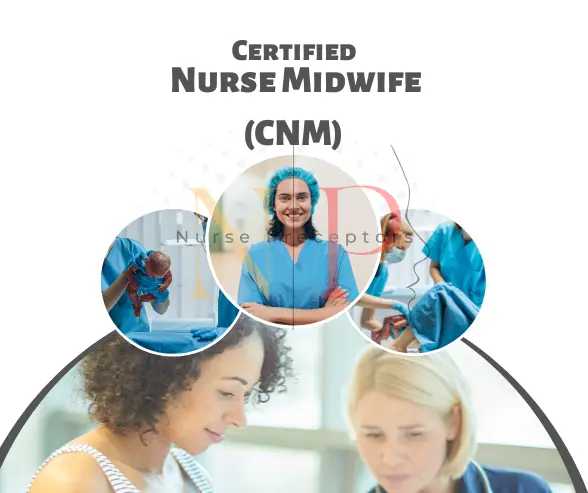
A Certified Nurse-Midwife (CNM) plays a vital role in women’s healthcare. CNMs are registered nurses who have completed advanced nursing education and training in midwifery.
The American College of Nurse-Midwives accredits the program of midwifery, and nurses must pass the American Midwifery Certification Board exam to become a certified nurse-midwife.
Their roles extend beyond maternity care, encompassing a woman’s general health throughout her lifespan. Key roles of a Certified Nurse Midwife (CNM) are the following:
a. Providing independent gynecological services
CNMs provide a broad range of services such as gynecological examinations, family planning advice, prenatal care, labor and delivery support, newborn care, and education to new mothers.
CNMs are skilled nurses in managing low-risk pregnancies and facilitating natural childbirth, often providing a more personalized and holistic approach to care. Moreover, they work in various settings, including hospitals, birth centers, health clinics, and private practices.
In gynecological services, they also perform Papanicolaou smear (Pap smear) tests, treat minor vaginal infections, and provide guidance and education on family planning to families.
c. Providing nursing education to women
Furthermore, a certified nurse midwife’s role is to educate and empower women to actively participate in their healthcare decisions. They provide comprehensive nursing education about pregnancy, childbirth, and childcare.
d. Recognizing complications and providing treatment
Despite their focus on natural processes, CNMs are also trained to recognize complications in both mother and baby. They can administer medications, perform medical procedures, and if necessary, refer women to obstetricians or other specialists.
Thus, the role of a certified nurse midwife is multifaceted, combining elements of nursing, midwifery, and women’s health advocacy.
B. Certified Registered Nurse Anesthetist (CRNA) Roles
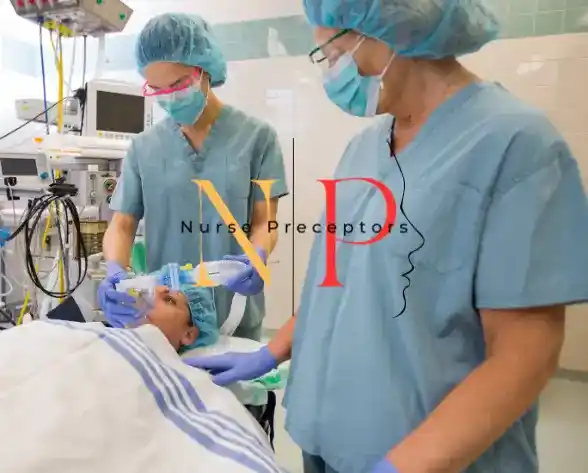
A Certified Registered Nurse Anesthetist (CRNA) is an Advanced Practice Registered Nurse (APRN) who is responsible for administering anesthesia to patients undergoing surgical, diagnostic, or therapeutic procedures.
Their role requires extensive knowledge of anesthesia techniques, emergency response, and patient monitoring. Key roles of CRNAs are
a. Administration of anesthesia
The role of a Certified Registered Nurse Anesthetist (CRNA) extends beyond the administration of anesthesia. CRNAs work in collaboration with surgeons, anesthesiologists, and other healthcare professionals to ensure patient safety during procedures.
b. Pre-procedure evaluation of patient
They are also involved in pre-operative patient evaluation, developing an anesthesia plan, managing the patient’s airway and physiological status, and providing post-operative pain management.
c. Working under supervision and independently
A CRNA works under the supervision and guidance of an anesthesiologist, who is a physician with advanced knowledge and experience in surgical anesthesia, but in some countries, they work independently without any supervision.
d. Serving as primary healthcare provider
Moreover, Certified Registered Nurse Anesthetists (CRNAs) often serve as primary healthcare providers in rural and underserved areas where medical resources may be limited.
They provide critical care services and pain management to patients in these areas, thereby playing a significant role in improving healthcare accessibility.
The role of a Certified Registered Nurse Anesthetist (CRNA) is multi-faceted and integral to the provision of comprehensive healthcare services.
With their specialized training and skills in anesthesiology, they ensure safe and effective anesthesia administration, contribute to team-based care, and often serve as primary healthcare providers in areas with limited resources.
C. Clinical Nurse Specialist (CNS) Roles
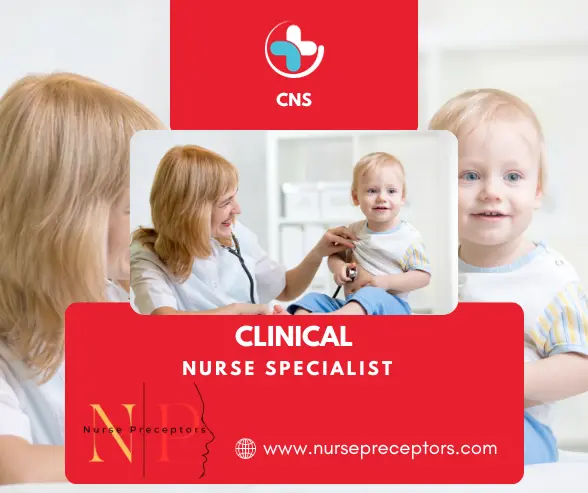
The Clinical Nurse Specialist (CNS) plays a pivotal role in the healthcare industry that extends beyond the scope of a regular nursing professional.
Being an Advanced Practice Registered Nurse (APRN), a CNS serves as an expert in evidence-based nursing practice within one of several specialty areas, such as adult health, pediatrics, geriatrics, or psychiatric-mental health. Key roles of CNS are:
a. Providing specialized care
The Clinical Nurse Specialist (CNS) carries out several responsibilities to ensure effective patient care and healthcare delivery. These include direct patient care, consultation, nursing and healthcare team management, collaboration with other healthcare professionals, and implementation of research projects. In essence, a CNS is not only a caregiver but also an educator, consultant, leader, and researcher.
b. Implement changes in healthcare
A key role of the clinical nurse specialist (CNS) is to implement changes in healthcare practice and delivery systems based on current research findings. They are expected to guide their teams toward best practices to achieve optimal patient outcomes.
c. Mentoring and leading nursing staff
Moreover, they engage in mentoring and leading nursing staff, promoting an environment that fosters professional growth and development. The Clinical Nurse Specialist (CNS) is an indispensable part of the healthcare system.
Their multi-faceted role contributes significantly to improving patient care quality, advancing nursing practice, and enhancing the operational efficiency of healthcare organizations. Their expertise in their respective specialties makes them critical assets within their teams and institutions.
D. Certified Nurse Practitioner (CNP) Roles
A CNP (certified nurse practitioner) plays a crucial role in the healthcare industry. As an advanced practice registered nurse (APRN), a CNP is trusted with a significant level of responsibility in patient care.
They provide a comprehensive range of health services, including disease prevention, health promotion, and management of chronic and acute illnesses. Key roles of CNP are the following:
CNP certified nurse practitioners are authorized to function independently or as part of a healthcare team. They usually work in ambulatory, outpatient, and community-based settings.
Major areas of work for CNPs are psychiatric and mental health, geriatric nursing, pediatric nursing, women’s health, adult health, family health, and acute care.
Their roles often extend beyond traditional nursing duties to include diagnosing and treating medical conditions, prescribing medication, and interpreting diagnostic tests. They often serve as the primary and specialty care providers, particularly in areas where physicians are in short supply.
b. Providing health education
The role of a CNP, a certified nurse practitioner, also involves patient counseling and education. They play a critical role in educating patients about their health conditions, treatment options, lifestyle adjustments, and preventive measures.
Their broad-based approach to healthcare often results in improved patient outcomes and higher levels of patient satisfaction.
c. Conducting research and providing advocacy
Moreover, CNPs are also involved in research and advocacy work, aiming to improve the overall quality of healthcare services. They often participate in policy discussions related to healthcare reform and work towards the betterment of health policies at local, state, or national levels.
2. Nurse Educator Roles
The role of a nurse educator is multifaceted and fundamentally instrumental in shaping the future of healthcare. Nurse educators are registered nurses with advanced nursing education who are also teachers.
They have a unique role in strengthening the nursing workforce, serving as role models, and providing the leadership needed to implement evidence-based practice. Key roles of a nurse educator are the following:
Nurse educators serve several key roles in the clinical and academic settings. They are responsible for preparing a new generation of nurses and equipping them with the knowledge and skills to deliver high-quality patient care.
Nurse educators work in faculties, staff development programs of organizations, and patient education departments of healthcare facilities.
b. Enhancing practical learning of staff
Nurse educators help healthcare professionals in clinical and laboratory skill learning. They also teach professionals about trends, theories, and current practices in the healthcare industry.
They design, implement, evaluate, and revise educational programs for nurses, contribute to curriculum development, and engage in scholarly activities.
c. Educating families and communities
Furthermore, nurse educators educate families, groups, and communities about self-care and disease prevention. Some educators possess certifications for special populations such as Certified Diabetes Educator (CDE), breast care nurse, and stoma care nurse.
Additionally, nurse educators serve as leaders in the nursing profession. They help to shape nursing policies and procedures, advocate for patient care standards, and play a crucial part in healthcare reform. They are often called upon to contribute their expertise to health policy debates and discussions.
Moreover, nurse educators are expected to stay updated with new nursing methods and technologies, ensuring that their students receive the most current and comprehensive nursing education.
f. Fostering critical thinking
They play a pivotal role in fostering critical thinking skills among students, preparing them not just for the technical aspects of nursing but also for the ethical, interpersonal, and problem-solving skills necessary in the profession.
A nurse administrator plays an integral role in the healthcare sector with responsibilities that extend far beyond patient care. Key roles of a nurse administrator are the following:
Their primary role involves overseeing the nursing staff and making sure they deliver high-quality healthcare services to patients.
b. Managing human resources
The management aspect of nursing administration involves managing human resources, budgeting, setting and implementing policies, and ensuring compliance with healthcare regulatory bodies.
For instance, a nurse administrator is responsible for recruiting, training, and supervising nursing staff.
d. Promoting professional development
They play a critical role in promoting professional development among their staff and ensuring they have the necessary skills and knowledge to provide optimal patient care.
Apart from this, nurse administrators are also tasked with creating and managing budgets, often requiring them to make tough decisions about resource allocation.
f. Adhering with policies and regulations
Nursing administration demands that the nurse administrators ensure that all procedures, policies, and regulations are adhered to within their department or facility. This requires a comprehensive understanding of healthcare laws and regulations.
The nurse administrator role can be started from assistant nurse manager and requires a minimum of a bachelor’s degree in nursing. With their additional education and experience, they lead to middle management positions like nurse manager. Positions of director of nursing and nurse executive require a master’s degree in nursing.
Higher positions, like vice president and chief nurse executive, require a doctoral degree in nursing. They assume their responsibilities to oversee all the clinical areas of the hospital.
4. Nurse Researcher Roles
The scientific research in the medical field is highly dependent on the nurse researchers in the medical industry. Their role is to ensure that their research findings are correct, true, and precise.
This involves the collection and analysis of appropriate data together with the interpretation of results and clear conclusions of their findings.
A nurse researcher aims to find research evidence that will promote quality patient care and, consequently, better health outcomes. Key roles of nurse researchers are
a. Conducting scientific research
Also, nurse researchers conduct scientific research, focusing on the different elements relating to health and disease. For these reasons, they assess various aspects related to health services and policies to inform nurse-related best practices as well as public health improvement strategies.
The findings of the nurse researchers are validated by the collaboration with other health professionals to attest that the research conducted was scientifically sound.
b. Promoting and developing quality care
What this implies is that evidence from nurse researchers promotes the development of effective strategies and interventions for improving health outcomes.
c. Improving public health
Also, nurse researchers improve public health by shedding light on community health issues and problems. The work of nurses is necessary for enhancing healthcare service delivery and the formulation of health policies resulting in good health outcomes for patients.
5. Nurse Entrepreneur Opportunities
The healthcare industry offers a wealth of opportunities for nurse entrepreneurs. With their unique blend of clinical expertise and compassionate care, these professionals are primed to identify gaps in the market and create innovative solutions to address them. What are the opportunities for a nurse entrepreneur?
Nurse entrepreneurs can venture into various areas such as home healthcare, elder care, health coaching, consulting, and medical writing or blogging, which offer significant potential for business growth.
In addition, they can leverage their experience and knowledge to develop healthcare apps or medical devices, thereby contributing to the advancement of technology in the healthcare sector.
b. Establishing private practices
There’s an increasing demand for personalized and patient-centered care, which presents another lucrative opportunity for nurse entrepreneurs. They can establish private practices offering specialized services tailored to individual patient needs.
c. Providing paid educational services
Furthermore, nurse entrepreneurs can also explore opportunities in the education sector by providing training and certification programs for aspiring nurses or continuous professional development courses for existing practitioners.
While these opportunities are undoubtedly attractive, nurse entrepreneurs need to remember that starting a business requires not just clinical skills but also entrepreneurial acumen.
Therefore, it’s crucial to gain knowledge in business management, marketing strategies, and financial planning. With the right mix of clinical expertise and business savvy, nurse entrepreneurs can truly make a significant impact in the ever-evolving healthcare industry.
6. Forensic Nurse Roles
Forensic nurses play a critical role in bridging the gap between medicine and law enforcement. They combine their nursing expertise with forensic science to provide specialized care and services to patients, often victims of violence, abuse, or neglect.
They also play a vital role in the criminal justice system by collecting evidence, documenting injuries, and providing testimonies in court. Key roles of a forensic nurse are the following:
a. Treating victims and preserving evidence
The scope of work of a forensic nurse may vary depending on the setting. In a hospital emergency room, a forensic nurse might be responsible for treating survivors of assaults or accidents while carefully preserving evidence for potential legal proceedings.
In a psychiatric hospital, they may be tasked with evaluating and treating patients who are at risk of harming themselves or others.
b. Providing specialized services
Forensic nurses can specialize in different areas, such as sexual assault, domestic violence, child abuse, elder abuse, and death investigations. Regardless of their specialty, forensic nurses are trained to approach their patients with empathy and sensitivity while maintaining the objective professionalism required for forensic investigations.
c. Collaborating with law enforcement agencies
In addition to patient care, forensic nurses often collaborate with law enforcement agencies to help solve crimes. Their meticulous documentation and analysis can be invaluable in building a solid legal case. Overall, the role of a forensic nurse is not only crucial in the healthcare system but also in ensuring justice is served.
7. Continuing Education and Professional Development Opportunities in Nursing
Continuing education is a critical component of the nursing profession. It provides nurses with an opportunity to update their skills, expand their knowledge base, and stay abreast of the latest developments in healthcare.
The rapid pace of technological and medical advancements necessitates that nurses engage in lifelong learning to deliver quality care efficiently.
Furthermore, continuing education also promotes professional growth, enhancing career prospects and leading to greater job satisfaction. What are the benefits of continuing education?
a. Professional development
There are numerous avenues for continuing nursing education. These include certificate programs, online courses, workshops, conferences, and seminars.
Many of these programs offer credits that can be used to maintain licensure or achieve specialty certification. Some organizations also provide funding or scholarships for continuing nursing education, making it more accessible for nurses.
In addition to expanding technical skills and knowledge, continuing education also focuses on developing soft skills like leadership, communication, and critical thinking. These skills are invaluable in managing complex patient care scenarios and improving the overall quality of healthcare services.
Educational Requirements and Pathways to Enter Each Nursing Role
The journey to nursing career paths begins with a comprehensive understanding of the educational requirements and pathways necessary to enter each nursing role. These requirements can vary widely depending on the specific role one aspires to fill.
1. Bachelor of Science in Nursing (BSN), Nursing Associate Degree or Diploma in Nursing
For instance, an entry-level Registered Nurse (RN) typically requires an associate degree or a diploma from an approved nursing program, along with passing the National Council Licensure Examination (NCLEX-RN).
2. Master of Science in Nursing (MSN)
In contrast, advanced practice registered nurses (APRNs) such as nurse practitioners, nurse midwives, and nurse anesthetists need a master’s degree in their specialty area and must also pass a national certification exam.
3. Doctoral Degree
Furthermore, if one aims for administrative roles or academic positions in nursing, a doctoral degree such as a Doctor of Nursing Practice (DNP) or a PhD in nursing may be necessary.
4. Alternative Pathways
The pathways to these career roles in nursing often begin with an undergraduate study, followed by professional licensure and potentially graduate studies.
However, there are alternative pathways like accelerated programs for those with non-nursing bachelor’s degrees or direct-entry master’s programs for those seeking to advance more quickly.
The choice of educational requirements and pathways should align with an individual’s career aspirations in nursing. While the journey can be demanding, the diversity of career roles in nursing offers opportunities to find a fulfilling career aligned with personal interests and skills.
Benefits of Pursuing Nursing Career Paths
It is important to first understand some of the benefits of being a nurse and then focus on the various career roles in nursing thereafter. There are many different advantages associated with nursing as a career. Moreover, nursing is one of the most competitive professions, as it offers numerous employment opportunities.
The aging population promises a secure job for nurses since it leads to an increase in the demand for healthcare services.
b. Competitive salaries and benefits
The fact that nurses receive competitive salaries and benefits is another important benefit of nursing as a chosen career, thereby providing incentives for those who want to have financial security.
Nursing is comprised of different jobs like geriatrics, pediatrics, emergency, and research nursing. Such variety enables people to choose what suits them most by having a passion for it as well as creating an environment that is inclusive towards different races, genders, or other characteristics amongst them.
A nurse career has one important benefit, a continuous learning process. Nurses should keep expanding their knowledge, competence, and professionalism in tandem with the development of modern technologies and other innovations introduced within the healthcare industry.
Several institutions offer nurses the chance to pursue an advanced degree or a certain specialization, which will enable them to move up the professional ladder.
Perhaps one of the best things about being a nurse is that there are some extremely rewarding aspects associated with it. Nurses are a basic part of patient care that serves as the first person to address patients’ questions.
This allows nurses to do something special to people’s lives, and this presents a unique type of pleasure that cannot be matched in other professions.
What Can You Do with a BSN Degree?
A Bachelor of Science in Nursing (BSN) degree opens several opportunities for those who are seeking a rewarding career in the healthcare industry.
The primary path taken by a BSN degree holder is to become a registered nurse (RN), providing patient care in a variety of healthcare settings, including hospitals, nursing homes, clinics, and private practices. What are the benefits of a BSN degree?
a. Performing specialized career roles in nursing
However, a BSN degree can also lead to more specialized roles such as a pediatric nurse, critical care nurse, or oncology nurse, depending on the additional certifications obtained.
The BSN degree can also serve as a stepping stone for further academic advancement. Many nurses with a BSN degree go on to pursue a master’s degree or doctorate in nursing, leading to high-level roles such as nurse practitioner, clinical nurse specialist, or nursing director.
c. Performing administrative roles
In addition to clinical roles, BSN degree holders can also explore opportunities in the fields of healthcare administration, public health, nursing education, and health policy. These roles often involve leadership and decision-making responsibilities that can have a significant impact on patient care and health outcomes.
In conclusion, a BSN degree offers a broad scope for both clinical and non-clinical roles in the healthcare industry. It provides a solid foundation for those interested in advanced practice, leadership positions, or specializations within nursing.
The versatility of the BSN degree ensures that its holders are well-equipped to meet the diverse needs of the healthcare sector.
Challenges and Rewards of Working in the Nursing Profession
The nursing profession is filled with both challenges and rewards like any other profession.
A. Challenges
The challenges of working in the nursing field are substantial and can range from the emotional stress of dealing with patients in critical condition to the physical exhaustion from working for long hours.
Moreover, nurses often have to manage high-stress situations, make quick decisions, and complete numerous responsibilities simultaneously.
B. Rewards
However, the rewards of working in the nursing profession can outweigh these challenges. Nurses have the opportunity to make a profound impact on patients’ lives, providing not just medical care but also emotional support to patients and families.
They play a vital role in the healthcare system, often acting as the primary person to contact for patients and their families. The satisfaction derived from helping others and making a difference in their lives is one of the greatest rewards of this profession.
In addition, there are practical rewards such as job security, financial stability, and opportunities for career growth. The demand for nurses is consistently increasing, offering a level of job security that many professions lack.
Furthermore, the nursing field offers diverse nursing career paths for specialization and advancement.
Conclusion
Nursing is a promising career with a variety of benefits like job security, diverse nursing career paths, continuous learning opportunities, and high job satisfaction. Although it can be challenging for nurses in many circumstances, nurses can overcome obstacles and enjoy a fulfilling profession with resilience, passion, and dedication.
Certified Nurse Practitioners (CNPs) play a crucial role in patient care, diagnosis, and treatment, while nurse educators build a competent nursing workforce that meets the needs of the healthcare industry.
Similarly, nurse administrators ensure that nursing departments operate effectively and efficiently while delivering quality patient care.
Additionally, nurse researchers educate future nurses, improve community health, and bridge the gap between theoretical research and practical applications.
Continuing nursing education is crucial for nurses to stay competent, advance their careers, and grow personally. As the healthcare landscape evolves at an unprecedented pace, continuing education in nursing is more important than ever.
References:
- Bastable, S. B. (2019). Nurse as educator: Principles of teaching and learning for nursing practice. Jones & Bartlett Learning.
- Masters, K. (2020). Role development in professional nursing practice. Jones & Bartlett Learning.
- Berman, A., Kozier, B., Erb, G. L., Snyder, S., Levett-Jones, T., Dwyer, T., Hales, M., Harvey, N., Langtree, T., Moxham, L., Parker, B., Reid-Searl, K., & Stanley, D. (2018). Kozier and Erb’s Fundamentals of Nursing: Concepts, Process, and Practice. Pearson Australia.
- DeLaune, S. C., & Ladner, P. K. (2002). Fundamentals of Nursing: Standards & Practice. Delmar Thomson Learning.
- Potter, P. A., Perry, A. G., Stockert, P. A., & Hall, A. (2019). Essentials for nursing practice. Elsevier.
- Mayo Clinic College of Medicine and Science. (n.d.). Nurse – explore health care careers – mayo clinic college of medicine & science. https://college.mayo.edu/academics/explore-health-care-careers/careers-a-z/nurse/
- Nursing career paths: How to map out your nursing career. St. Catherine University. (2021, December 17). https://www.stkate.edu/academics/healthcare-degrees/nursing-career-paths